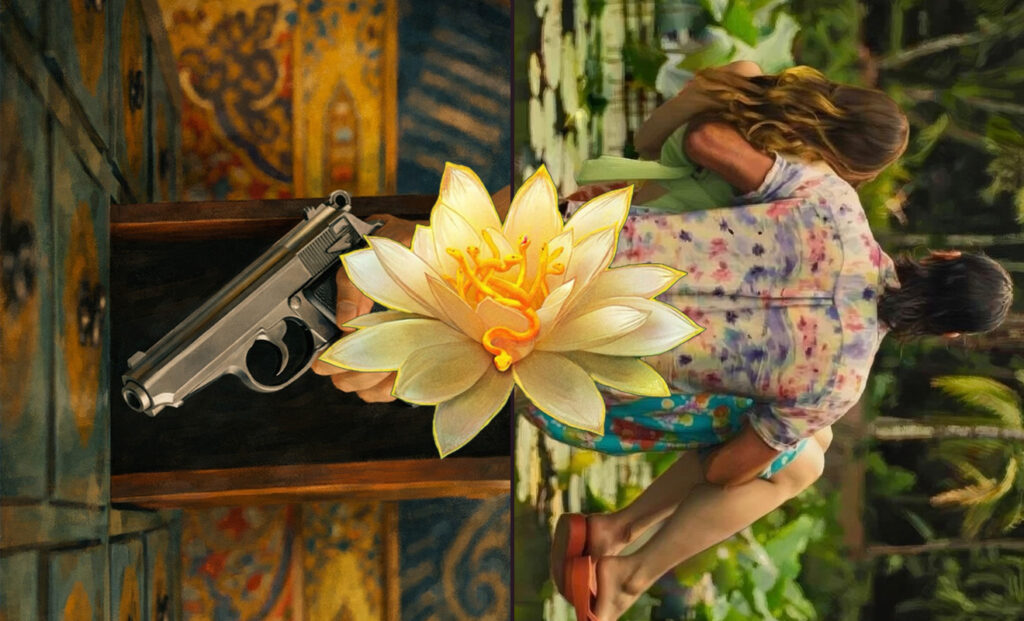
 Jan Novak
  01/03/2026
  64 views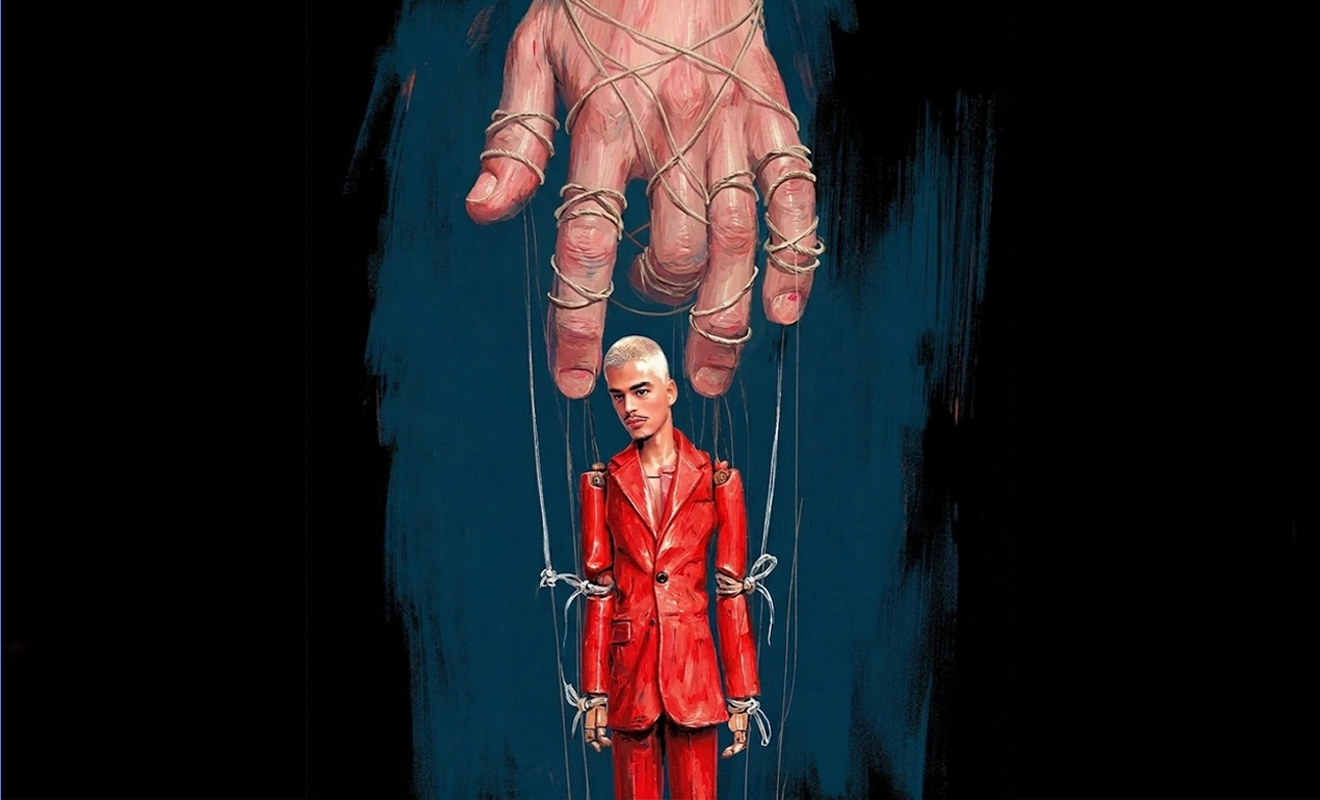
In the latest season of Big Brother VIP Kosova, something the producers definitely didn’t see coming unfolded. Not fights, not betrayals, not clever strategies — but closeness. Two men spent so much time together it was impossible to ignore — and the moment their bond started to carry a price, they began to pull apart.
No confessions, no declarations, no grand speeches. Just glances, touches, small reconciliations heavier than most of the house’s drama. Enough for the internet to do what it does best: name it, romanticise it, defend it, attack it — turn someone’s private life into public spectacle.
Social media had already labelled it before the housemates could define it themselves. The story went viral beyond the region, and production began to subtly hint at ‘love, regardless of gender’. That’s when everything changed. Suddenly, it was bigger than just them. The issue wasn’t what was happening between two adults in a house; it was what it could mean outside Big Brother.
This isn’t a story about whether it was love. It’s about why the mere assumption was enough to create distance. And what that distance tells us about a society still negotiating its own boundaries — especially when it comes to masculinity, reputation, and shame.
One reality show ended up raising bigger questions: about tolerance, the power of the public gaze, and a society that still decides who gets to be close — and on whose terms.
When Intimacy Becomes Risk
To understand the distance that followed, we need to understand the context in which it emerged. Across Kosovo, Albania, Serbia, and much of the wider region, same-sex relationships may no longer be criminal — at least on paper. But socially? It’s still a loaded question. Laws change faster than mindsets, and public discourse lags even behind generational shifts. In that space, a label doesn’t just describe; it passes judgment.
For celebrities, reputation is everything. A career — especially in music and entertainment — often hinges on an image carefully crafted for an audience that is largely conservative. Family isn’t just private. It’s a social institution, and its reputation carries weight. In that context, being perceived as part of a same-sex relationship isn’t just a matter of personal identity — it can mean risking a fracture with fans, sponsors, the media, and even your closest family.
Pulling back doesn’t have to mean a lack of feeling. Sometimes, it’s a rational assessment of risk. Once the housemates became aware of the narrative surrounding them, their relationship shifted from a private dynamic to the realm of public interpretation. And in the Balkans, social interpretation is rarely neutral. It’s fast, loud, and often merciless.
Self-censorship? Almost instinctive. You don’t need anyone to lay down the rules; it’s enough to anticipate the reaction. ‘What will people say?’ isn’t just a phrase — it’s a behavioural regulator. In a reality show, where every scene could become a clip, every line a headline, and every touch a slow-motion moment on social media, the awareness of being watched becomes a constant companion.
Intimacy is measured not by feeling, but by consequences.
That’s why the distance only appeared once it became clear how the audience was watching. Being slotted into a category suddenly weighed heavier than closeness itself. In a society that still polices masculinity, a label isn’t just a definition — it’s a risk. And when the risk is too high, pulling back feels like the only move.
Click, Share, Judge
Once, the neighbourhood had eyes to see everything, ears to hear everything, and a tongue to comment on it all. Today, it happens online. In the case of Big Brother VIP Kosova, the story didn’t stay local. It went viral — fandoms sprang up, clips circulated, hashtags trended, fan art appeared, comments flew, voting groups formed. A global audience, unbound by local norms, read the relationship as a romantic story to champion. To push for it.
At first glance, it seems progressive. Fandom culture often acts as a space of support, especially for queer narratives that are scarce — or entirely absent — in mainstream media. Shipping — the audience wanting to see two people as a couple — can be an act of hope, even a quiet form of political symbolism. In the digital world, fans don’t just want more content; they want to take part.
But here’s the problem. Naming someone else’s relationship before they’ve had a chance to define it for themselves — before it’s even been made public — robs them of freedom, of time, and of the right to choose.
This isn’t a critique of the audience, but a warning: support and pressure often walk hand in hand, and the line between them is razor-thin.
In the Balkans, where labels carry real-world consequences, even well-meaning enthusiasm can backfire. The internet, often a space of liberation, can turn into a fast, unwanted outing.
Eyes on Tomorrow
I’m convinced the real story isn’t in their relationship, but in how it was received at home. Young people reacted spontaneously, without hesitation, cheerfully — and, in what I see as a glimpse of a different future, largely tuned in to Big Brother VIP Kosova just to watch them.
Generations growing up with social media, global TV shows, and films that often explore identity and sexuality will need more than a mere understanding of diversity. But meaningful change won’t happen without shifts in social norms, legal frameworks, media practices, and political discourse.
The problem is that cultural shifts are yet to be matched by institutional change. Societies in the region remain largely conservative; laws are often token concessions, and public discourse remains cautious, if not outright restrictive. While young people normalise what they see — and who they are — broader structures adapt more slowly, if at all. It’s in that gap where we see how culture outpace politics, and in which there’s still a glimmer of hope.
What We Want vs. What We Can
In the Balkans, the question ‘What will people say?’ isn’t just a question — it’s an internal compass, shaping the boundaries of intimacy, friendship, and love.
The distance that grew between them makes clear just how much social pressure can shape a personal relationship. Sometimes, it’s easier to step back from closeness than to endure constant scrutiny — not from the cameras, but from the community and its ever-watchful eyes.
In a place where shame is embedded in traditional customs, family rules, and professional standards, it’s crucial to recognise just how strongly society shapes what we call private. Crossing the line from what we want to what we’re allowed to do is extremely risky — and within that tension lies more than the housemates could ever openly admit.
COVER NOTE: Londrim Mekaj, winner of Big Brother VIP Kosova 4, is featured as the most recognisable face of the show, with congratulations on his victory.
- Share
-

-

-

-

-

-

 302
302
 227
227
 217
217